When to Visit an Emergency Dental Clinic: Signs You Shouldn’t Ignore
Most people expect to see their dentist during routine checkups or for scheduled treatments like fillings, crowns, or cleanings. But sometimes, dental issues appear suddenly and don’t give you the luxury of waiting until your next appointment. That’s where an Emergency Dental Clinic becomes essential.
Knowing the difference between a problem that can wait and one that needs immediate attention isn’t always straightforward. Some discomfort might pass on its own, but other symptoms are signs that you should seek urgent care. This guide takes you through the situations where visiting an emergency dentist is commonly recommended, what you can expect during the visit, and why timely treatment often makes a difference.
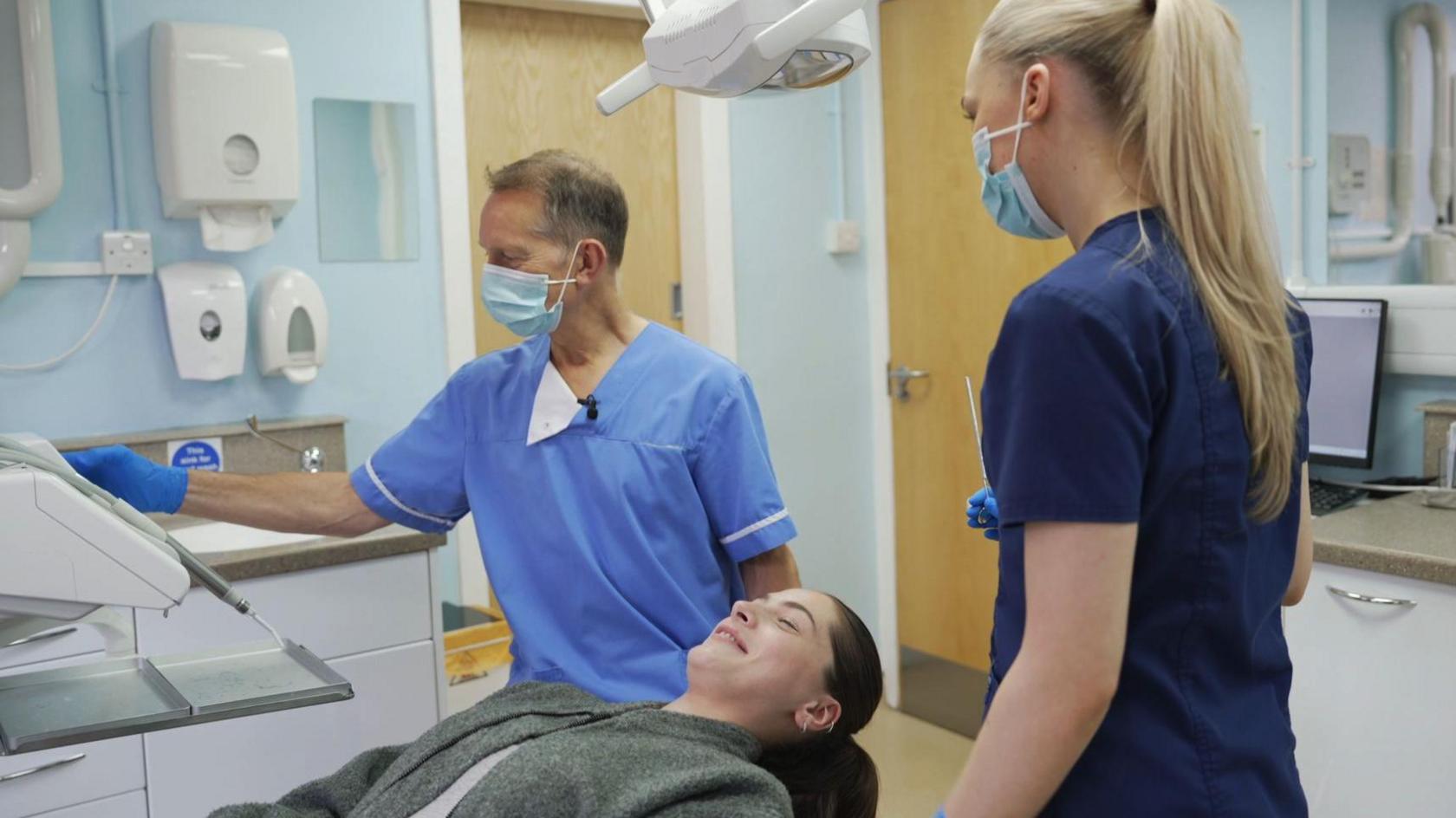
Why Emergency Dental Care Exists
Dental emergencies don’t follow a schedule. They can strike late at night, on weekends, or even during the middle of an important workday. An emergency dental clinic provides care outside the usual appointment structure, making it possible to address urgent needs quickly.
These clinics are designed to handle situations that involve:
-
Sudden or severe tooth pain
-
Broken or chipped teeth
-
Knocked-out teeth
-
Swelling in the gums, face, or jaw
-
Persistent bleeding from the mouth
-
Infections that require immediate attention
The goal isn’t just to provide relief but also to prevent complications that might worsen if left untreated.
Read More - Strengthen Your Tooth with a Broken Filling Repair
Signs You Shouldn’t Ignore
Not every dental issue requires rushing to the clinic, but there are certain red flags that many dentists advise patients not to overlook. Let’s break down the most common ones.
1. Severe or Persistent Tooth Pain
Mild toothaches can come and go, sometimes linked to sensitivity or minor irritation. But sharp, intense, or throbbing pain often signals a deeper problem such as decay, infection, or damage. Pain that keeps you from sleeping or interferes with daily life is usually a sign that emergency care is needed.
2. Knocked-Out Tooth
If a tooth gets knocked out from an accident or injury, time is critical. In many cases, dentists recommend seeking immediate help because the chance of saving the tooth is higher when addressed quickly.
3. Broken or Cracked Tooth
Small chips may not feel urgent, but a deep crack or fracture can expose the tooth’s inner layers, leading to pain and infection risk. If the break is large or accompanied by bleeding and swelling, an emergency visit is usually appropriate.
4. Abscess or Infection
Swelling in the gums, jaw, or face can point to an infection. Dental abscesses, which may appear as painful, swollen bumps on the gums, often require urgent attention. Left untreated, infections can spread and become more serious.
5. Uncontrolled Bleeding
Minor bleeding after brushing or flossing might indicate gum irritation, but heavy or ongoing bleeding from the gums, tongue, or inside of the cheeks is a different matter. This can happen after injury or certain dental procedures, and it typically requires immediate evaluation.
When these situations occur, many patients search for help right away—sometimes looking for an Emergency Root Canal Near Me if the pain suggests that the tooth’s pulp has been affected.
What to Expect at an Emergency Dental Visit
Walking into an emergency dental appointment can feel overwhelming if you’ve never been before. But the process is usually straightforward and focused on fast relief.
-
Initial Evaluation – The dentist will first examine the area of concern, often taking X-rays to better understand the problem.
-
Immediate Care – Depending on the diagnosis, the dentist may treat the issue on the spot. This could involve relieving pressure from an abscess, repairing a broken tooth, or stabilizing a knocked-out tooth.
-
Next Steps – In some cases, the dentist may provide temporary care and schedule a follow-up for a more permanent solution. For example, if a crown has fallen out, a temporary fix may be provided until a new crown can be placed.
-
Aftercare Guidance – Patients typically receive detailed instructions on how to care for the affected area at home until healing is complete or until the follow-up visit.
Having access to houston emergency dental services ensures that these urgent needs are handled without delay, reducing stress during what can already be a difficult moment.
Common Treatments Performed in Emergency Dental Clinics
Emergency dentists are trained to provide a wide range of treatments. Some of the most common include:
-
Tooth Extractions – When a tooth is too damaged to save, extraction may be the most practical option.
-
Root Canal Therapy – Often used to treat infections inside the tooth, this procedure helps preserve the natural tooth structure whenever possible.
-
Dental Restorations – Repairing or replacing broken fillings, crowns, or bridges can be part of emergency care.
-
Stabilization – For teeth that have been loosened or partially dislodged, stabilization techniques may be used to give the tooth a chance to heal.
-
Pain Management – Relief is often a priority during these visits, whether through medication, treatment, or a combination of approaches.
How to Prepare for a Dental Emergency
You can’t always predict when an emergency will happen, but being prepared can make things easier. Consider these steps:
-
Save your dentist’s phone number and the contact details of an emergency clinic in your phone.
-
Keep a small kit at home with gauze, a small container with a lid, and over-the-counter pain relief in case of sudden injury.
-
Know the location of the nearest Emergency Dental Near Me so you’re not scrambling to find one when every minute counts.
Preparedness won’t eliminate the stress of a dental emergency, but it may help you act quickly and calmly.
When It’s Urgent vs. When It Can Wait
One of the most common questions patients have is: “How do I know if this really is an emergency?”
Here are a few guidelines:
-
Seek urgent care if you have severe pain, significant swelling, uncontrolled bleeding, or a knocked-out tooth.
-
Schedule a regular appointment if you have minor sensitivity, a small chip, or a crown that feels slightly loose but isn’t causing pain.
-
When in doubt, calling the clinic can help you decide. Dental teams often provide guidance over the phone to determine if you should come in immediately.
Why Timely Care Matters
Acting quickly in a dental emergency doesn’t just help with comfort—it may also prevent the issue from becoming more complicated. For instance, stabilizing a tooth that’s been knocked out or treating an infection before it spreads is often easier when addressed promptly.
Many patients find that visiting an emergency clinic brings peace of mind. Even if the issue turns out to be less severe than expected, knowing you’ve had it checked can ease unnecessary worry.
Read More - How Emergency Dentist in Houston, TX Helps with Oral Infections
The Patient Experience
While the idea of visiting an emergency dentist may sound stressful, many patients report relief in simply having the problem addressed quickly. Instead of waiting days or weeks for a regular appointment, they receive evaluation and care right away.
It’s not uncommon for people to leave an emergency appointment with a temporary fix and a plan for follow-up. This immediate action often helps them feel reassured and more comfortable moving forward.
Final Thoughts
Dental emergencies can be unpredictable, but knowing when to seek help makes them less daunting. A toothache that keeps you awake, swelling that doesn’t subside, or a tooth that’s been knocked out are all situations that typically call for urgent care.
By recognizing the signs, preparing ahead, and keeping contact information handy, you’ll be better equipped to handle these unexpected moments. Access to an houston emergency dental services means you don’t have to face them alone.
Frequently Asked Questions
1. What is considered a dental emergency?
Any situation involving severe pain, swelling, uncontrolled bleeding, or trauma to the teeth or gums is generally considered a dental emergency.
2. Can a broken tooth always be saved?
Not always. The treatment depends on how deep the break goes and whether the pulp is exposed. Sometimes repair is possible, while other times extraction is recommended.
3. How soon should I see a dentist after losing a tooth?
Ideally, within the first hour. Acting quickly gives the tooth the best chance of being saved.
4. What if my crown or filling falls out?
This is often urgent but not always an emergency. A temporary fix may be provided until a permanent replacement is ready.
5. Should I go to the ER for dental pain?
Hospital emergency rooms generally aren’t equipped for detailed dental treatment. Visiting an emergency dental clinic is usually the more effective option for dental-specific problems.
Disclaimer: This article is for informational purposes only and does not constitute medical advice. Always consult a licensed healthcare provider for personalized treatment recommendations.


Comments
Post a Comment